
Why It Matters
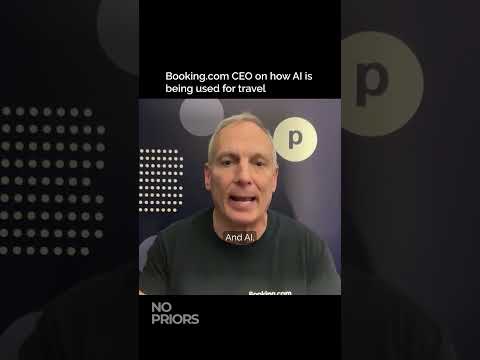
In a commodity-heavy industry like travel, the margin between winners and losers is increasingly defined by the efficiency of the digital interface. By framing AI as a tool to make the platform 'easier, cheaper, and better,' the CEO is signaling a shift toward 'AI-first' operations to defend market share.
Strategic Implications
This strategy suggests a shift toward the 'super-app' model. If the company successfully integrates LLMs, they move away from being a passive search engine toward being an active agent that completes tasks on behalf of the user, potentially deepening consumer loyalty and reducing customer acquisition costs.
Evidence & Hype Audit
This content is high-level corporate messaging. It lacks empirical evidence, specific deployment metrics, or public data. It is currently aspirational; the 'easier, cheaper, and better' claim is a hypothesis until the company provides verifiable performance indicators from their actual product iterations.
Counterarguments
Critics might argue that over-reliance on LLM-driven interfaces could lead to 'hallucinated' bookings or automated support loops that frustrate users when complex, non-standard travel issues arise. Furthermore, partners may resist changes if AI-optimized filtering diminishes their specific brand visibility or margins.
Who Should Care
- Investors: Monitor if operating margins actually drop as claimed.
- Travel Industry Tech Leads: Watch for changes in UI/UX and API usage patterns.
- Competitive Strategists: Evaluate whether this triggers a defensive AI arms race in legacy travel platforms.
What to Do Next
- Audit the company's public-facing mobile app for new LLM interactions.
- Compare stated efficiency gains against future quarterly earnings reports.
- Monitor partner feedback forums for reports of algorithmic preference changes.
- Track if the company pivots from simple search automation towards complex, multi-modal trip planning.