
Why it Matters
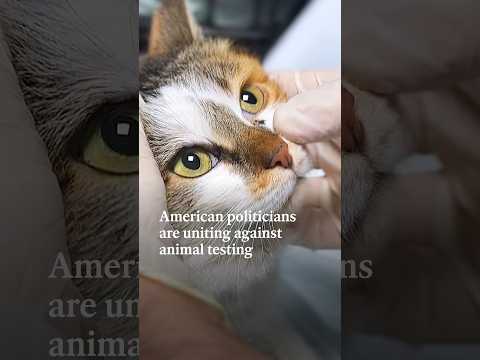
This shift represents the intersection of populist morality and biomedical necessity. It signals a move away from the 'technocratic' status quo where scientific research was largely shielded from moral scrutiny, towards an environment where policy is increasingly driven by cross-party ethical mandates.
Strategic Implications
Biotech and pharmaceutical entities must anticipate a shrinking domestic footprint for animal research. This creates a strategic premium on early-stage 'in-silico' and 'in-vitro' modeling technologies. Simultaneously, companies may face ethical and regulatory complications regarding global research supply chains, as the cost of research-grade primates continues to climb.
Evidence & Hype Audit
- Evidence: Strong on policy shifts and legislative actions (e.g., CDC closures, specific bills).
- Hype/Assumption: The efficacy of alternative methods is heavily asserted without supporting data. The claims regarding China's role, while plausible, lack verified, real-time documentation in the source.
Counterarguments
Critics of the anti-testing movement argue that such policies create a 'moral hazard' where domestic politicians gain political capital by appearing humane, while the underlying scientific demand is simply satisfied by outsourcing the work to countries with lower ethical standards, resulting in a net increase in global suffering.
Who Should Care
- Biomedical Researchers: Must prepare for stricter oversight and the need to justify animal use via new transparency standards.
- Policy Makers: Need to balance the ethical demands of their constituents against the potential erosion of national scientific capabilities.
- Investors: Should focus on firms developing scalable, non-animal modeling technologies as the regulatory landscape shifts.
What to Do Next
- Audit existing animal-model reliance to identify candidates for early-stage alternative tech integration.
- Increase investments in wearable physiological monitoring to improve compliance with potential future welfare standards.
- Evaluate the impact of regional research supply-chain shifts on long-term clinical development timelines.
- Engage with emerging ethical frameworks that prioritize 'harm reduction' over total abolition.