
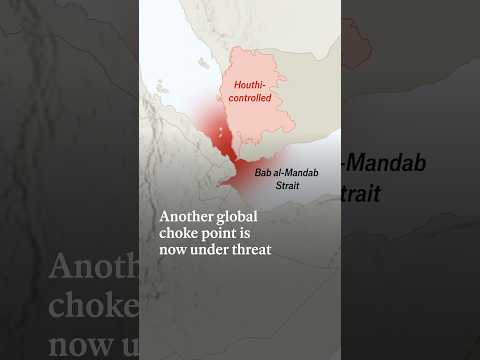
Strategic Implications
This situation represents the 'chokepoint-ification' of global trade. As geopolitical actors realize that controlling small maritime bottlenecks provides outsized influence over global inflation and energy prices, we should expect more targeted disruptions. The vulnerability of the Saudi pipeline highlights that infrastructure 'bypass' strategies are only as strong as the final nautical mile.
Evidence & Hype Audit
- Strengths: The figures provided (12% of trade, 3.5m barrels/day) are consistent with standard energy-sector estimates for these regions.
- Weaknesses: The direct causal link between Houthi actions and the exact $109/barrel price point is asserted rather than proven, as oil markets react to a basket of variables. The attribution of U.S. policy decisions to 'stretched forces' is speculative.
Counterarguments
The counter-narrative is that the Houthis are ultimately rational actors who will accept a diplomatic settlement once they have extracted sufficient political capital, rendering the current crisis a temporary bargaining phase rather than a permanent threat to maritime order.
Role-Specific Takeaways
- Policy Makers: Shift focus from unilateral airstrikes to fostering regional security coordination.
- Energy Traders: Model portfolios based on the assumption that Bab al-Mandab will remain a high-risk zone for the foreseeable future.
- Logistics Managers: Factor in 'chokepoint risk' premiums for any route dependent on Suez or Red Sea transit.
What to Do Next
- Monitor the status of Saudi-UAE diplomatic talks regarding Yemeni faction funding.
- Track insurance premium trends for tankers traversing the Red Sea.
- Assess supply chain sensitivity to a 30-day increase in transit times for Asian imports.
- Observe if the Houthi/Saudi concession talks yield a formalized flight-ban resolution.