
Why It Matters
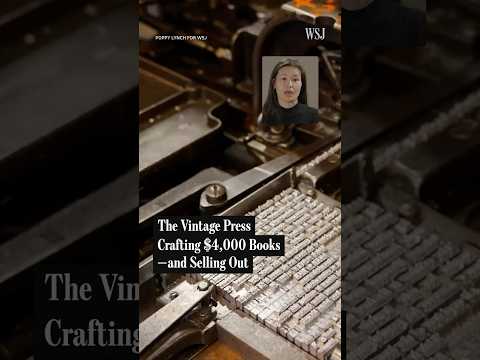
Arion Press serves as a living case study for how legacy crafts survive in a hyper-modernized economy: by pivoting from 'consumer goods' to 'luxury collectible assets.' By serving a niche of tech-wealthy patrons who value exclusivity and history, they circumvent the mass-market pressure to digitize or automate, effectively turning the 'inefficiency' of the Gutenberg process into a primary selling point.
Strategic Implications
This model relies entirely on the 'Veblen good' phenomenon, where high prices and extreme scarcity drive demand rather than suppress it. The tech industry's support for this press suggests a growing appetite among elites for tangible, labor-intensive artifacts that are immune to the scale-up-and-automate ethos of their own businesses.
Evidence & Hype Audit
- Strengths: The pricing data and subscription success are concrete and verify a functioning, high-demand market.
- Weaknesses: The explanation of why tech innovators gravitate toward this is purely speculative. The video glosses over the health-and-safety liabilities of using molten lead, framing it as a romanticized, rugged detail rather than an operational burden.
Counterarguments
One might argue this is less about 'cultural preservation' and more about 'high-end interior design' for the ultra-wealthy. If the demand is purely status-driven, the business is fragile; it depends on the sustained interest of a very small group of tech elites who may move on to the next status symbol once the novelty of traditional printing fades.
Who Should Care
- Luxury Brand Managers: This is a blueprint for selling 'process' as much as 'product.'
- Investors: Useful to note how physical assets can hold value against inflation and market volatility.
- Craft Artisans: This demonstrates how to identify a customer base willing to pay a premium for human-made labor.
What to Do Next
- Investigate the specific resale channels for fine-press books to understand market volatility.
- Analyze other 'analog' industries that have successfully transitioned to luxury patronage models.
- Audit the long-term health risks for employees in specialized, old-school manufacturing environments.
- Explore the overlap between tech philanthropy and the preservation of historical/cultural manufacturing techniques.