
Why It Matters
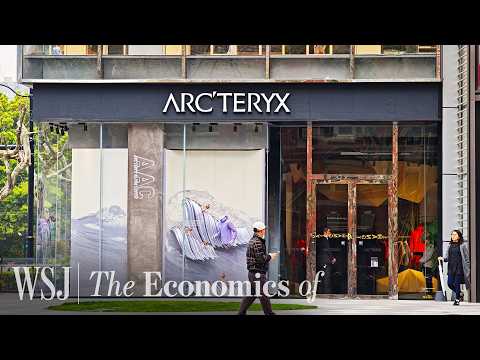
Arc'teryx illustrates the modern luxury paradox: a technical, functional product can become more profitable by restricting availability and controlling the customer experience, rather than chasing volume through traditional retail.
Strategic Implications
- Pricing Power: The 20% price premium in China suggests that brand equity is highly portable when combined with aggressive local market integration.
- Manufacturing Moats: Retaining a small, high-end domestic manufacturing base (Arc’One) creates a tangible marketing story that justifies premium costs to consumers.
Evidence & Hype Audit
- Evidence: The transition from 80% wholesale to 75% DTC is a concrete, verifiable business pivot that explains revenue growth.
- Hype: Narratives linking growth to the 'intent' of the founders or the specific 'necessity' of the Canadian base are likely post-hoc rationalizations for successful business outcomes.
Counterarguments
Critics might argue that Arc'teryx is no longer a mountaineering company but a fashion brand that uses technical specs merely to justify a high-margin luxury tax. If the 'gorpcore' trend cools, the company may find itself over-indexed on status-driven consumers who lack deep loyalty to the functional heritage.
Role-Specific Takeaways
- For Retail Managers: Focus on channel control as a primary lever for brand preservation.
- For Product Designers: Complexity is a feature if it serves a specific performance need; the Alpha SV proves that high part counts can be a status signal.
What to Do Next
- Audit sales channels to identify partners who dilute brand value through discounting.
- Invest in repair or circularity programs to extend product lifecycle and deepen brand loyalty.
- Consider localized premium pricing models in high-growth international markets.
- Develop a 'core innovation' facility to keep R&D close to the design team, even if 95% of production is offshored.