
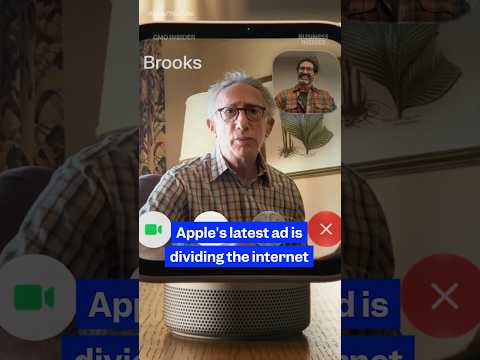
Why It Matters
This controversy is a microcosm of the transition risk facing Apple as it enters the post-Steve Jobs, post-Tim Cook era of leadership. When a brand's primary asset is its 'aura,' a single misaligned ad campaign can trigger disproportionate concern regarding the firm's strategic direction and innovation capacity.
Strategic Implications
The tension between 'authentic' versus 'aspirational' marketing is a perennial challenge for tech incumbents. As Apple moves into the crowded AI smart home market, it faces a strategic dilemma: double down on its premium, aspirational identity, or pivot toward functional, relatable utility to capture a mass-market audience that is increasingly cynical of tech utopianism.
Evidence & Hype Audit
The content relies heavily on expert opinion and anecdotal evidence rather than empirical performance data. While the critique is grounded in established brand theory, it lacks quantitative proof of whether the ad is actually damaging sales or brand perception. It is a 'high-signal' critique but inherently subjective.
Counterarguments
The argument for 'realism' is that the previous era of 'polished' advertising is becoming stale to modern, time-poor consumers. A brand that admits life is chaotic might be perceived as more honest and trustworthy than one selling a 'perfect' lifestyle that feels out of reach.
Role-Specific Takeaways
- CMOs: Evaluate if your brand equity is built on aspiration or utility; mismatching your creative style to your brand identity carries high reputational risk.
- Investors: Monitor subsequent product launches under John Turners to determine if this ad is an outlier or a shift toward a more pedestrian brand identity.
- Product Managers: Understand that the most advanced AI features in the world can be undermined by marketing that doesn't articulate a compelling 'why.'
What to Do Next
- Conduct a brand perception survey to compare the 'Home View' ad against historical benchmarks.
- Analyze the conversion rate difference between aspirational versus functional ad variants for the new product.
- Reassess the internal marketing brief to ensure it aligns with the 'need-to-want' strategic framework.
- Monitor sentiment among core demographics to see if the 'relatable' aspect of the ad provides a long-term loyalty boost despite the initial backlash.