Apple and a Hacker’s Future | Stratechery by Ben Thompson

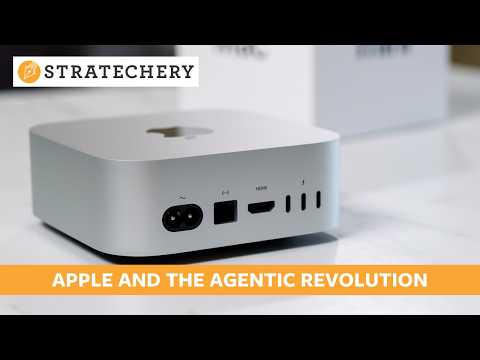
Video thumbnail: Apple and a Hacker’s Future | Stratechery by Ben Thompson
Oct 12, 202618m 37s video lengthStratechery

The Signal

A newly patched macOS vulnerability—active exploitation of screen sharing via port 5900—allowed attackers to gain root access and install a Monero crypto miner on persistent Mac Mini workstations. The incident reveals a widening gap between Apple’s security design for general users and the needs of headless, agent-driven infrastructure, prompting the speaker to permanently move key systems to Linux.

The Case

The Compromise

  • An NCSC-warned, high-severity vulnerability (tracked as CVE-202665400/CVE-2022665400) allowed unauthorized root access to systems with internet-exposed screen sharing.0:13
  • The speaker’s own Mac Mini, used solely for agentic workflows, was compromised; his persistent monitoring agent detected the intrusion and alerted him before public reports surfaced.1:54
  • The attacker used the machine to plant a Monero crypto miner, though the speaker’s automated watch mechanism allowed him to identify the four-second window of entry and wipe the device.3:04

The Operational Tension

  • Apple’s Transparency, Consent, and Control (TCC) system forces GUI-only permission prompts that remain invisible to local, headless software, effectively requiring the speaker to keep screen sharing enabled just to click "OK."5:59
  • Apple recently signaled that it will tighten controls on full disk access specifically because autonomous AI agents increase the risk of sensitive data exposure, a policy move the speaker finds both necessary and dangerously restrictive for his use model.4:00
  • Apple’s automatic security update settings do not install many point-release CVE fixes, leaving even security-conscious users exposed for longer than they realize.8:52

The Strategic Shift

  • Skeptical of Apple’s reported upcoming smart-home hub and its reliance on third-party developers, the speaker is pivoting toward an open, self-authored agent stack.10:43
  • The speaker argues that app-centric ecosystems are becoming a constraint; he prefers agents that interact directly with the web, rendering dedicated API integrations less useful.14:21
  • Citing a breakdown in default trust, the speaker has purchased a Linux server and pledged never to place another Mac in a production rack.18:07

The 1 Minute Signal Take

Security-conscious users should recognize that headless macOS workflows are currently at odds with Apple’s increasing reliance on GUI-gated permissions. The speaker’s shift toward Linux for core infrastructure suggests that for high-autonomy agentic setups, the reliability of open, controllable stacks is outweighing the benefits of Apple’s walled-garden integration.

Pro Analysis

Why It Matters

This content captures the brewing conflict between the consumer-grade security model of major tech platforms and the emer...
Full analysis always available on Pro.

Time saved:16m 37s

Share this

Tags

Written by: 1 Minute Signal Editorial Team