
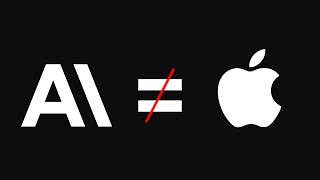

- Anthropic's iMessage plugin directly violates Apple's terms of service regarding automated and third-party service access.
- There is a double-standard in how Anthropic enforces legal threats against open-source developers while ignoring their own policy breaches.
- The company’s refusal to provide clear policy answers to community builders is causing significant friction and uncertainty.
- Anthropic's restriction of OAuth tokens effectively prohibits developers from using their model subscriptions in third-party productivity tools.
- Compared to OpenAI and GitHub, Anthropic is pursuing a much more aggressive and anti-competitive strategy regarding model access.
- The speaker argues that Apple’s restrictive environment is actually more 'open' and predictable than Anthropic's current operational model.
Channel: Theo - t3․gg
Anthropic's Hypocritical Stance on Plugin Ecosystems and Terms of Service
The video analyzes the contradictory behavior of Anthropic regarding their restrictive API usage policies and their simultaneous release of tools that violate third-party terms of service.
Key Takeaways
- Anthropic is criticized for aggressively enforcing restrictive terms of service against independent developers while openly violating Apple's policies with their own iMessage plugin.
- The company's opaque and inconsistent application of rules is creating frustration for developers who wish to integrate Claude models into alternative interfaces.
- Unlike competitors like OpenAI and GitHub, which enable broader interoperability, Anthropic is accused of using restrictive vendor lock-in tactics to control the user experience.
- The contrast between Anthropic's harsh legal actions against projects like OpenCode and their own flagrant disregard for Apple's rules highlights a profound lack of organizational self-awareness.
Talking Points
Analysis
This content is strategically important for developers and investors to understand the shifting landscape of 'AI sovereignty.' It highlights a massive trust deficit between a prominent foundational AI provider and its most technical users.
-
Who should care: Developers building on top of LLMs, enterprise integrators who need consistent workflows, and investors monitoring the long-term viability of Anthropic's 'walled-garden' business model.
-
Why it matters: If Anthropic continues to alienate the developer community, they risk damaging their brand and potential adoption in favor of more interoperable competitors.
-
Contrarian Takeaway: The hostility toward Anthropic is currently so high that even Apple—a company historically maligned by developers for its restrictive policies—is being framed as the more balanced and predictable actor. This shift indicates that the developer community prioritizes predictable constraints over arbitrary and hypocritical enforcement.
Time saved:
Channel: Theo - t3․gg