
- Anthropic’s charter and trust prevent investors from forcing leadership changes based on short-term performance.
- Directors appointed by independent trustees focus on safety outcomes rather than financial returns.
- Structural independence is essential for maintaining safety standards when facing significant external pressure.
Back to Feed
Anthropic's safety structure
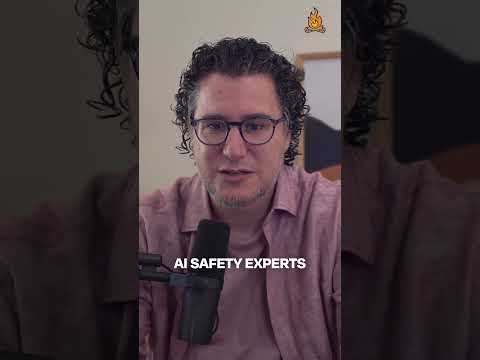
This video examines how Anthropic's unique corporate governance structure serves to prioritize long-term AI safety over short-term financial gains or external political pressure.
Key Takeaways
- Anthropic utilizes a long-term benefit trust to ensure AI safety experts hold board appointment power.
- This structural independence removes equity-based financial incentives from directors to allow for prioritizing model safety over potential profits.
- External oversight allows the company to withstand significant pressure, such as turning down large government contracts to maintain safety standards.
Talking Points
Analysis
Strategic Significance:
- The model demonstrates how corporate governance can be used as a strategic tool to enforce mission-critical alignment. It moves safety from a vague aspiration to a structural requirement enforced by non-investor directors.
Who Should Care:
- Founders, institutional investors, and policy makers should care, as this structure creates a template for balancing high-stakes technical development with ethical safeguards.
Contrarian Takeaway:
- True independence from shareholder pressure requires giving up institutional power; proponents of this structure must accept that it inherently reduces investor control in exchange for long-term project viability.
Time saved:
Back to Feed