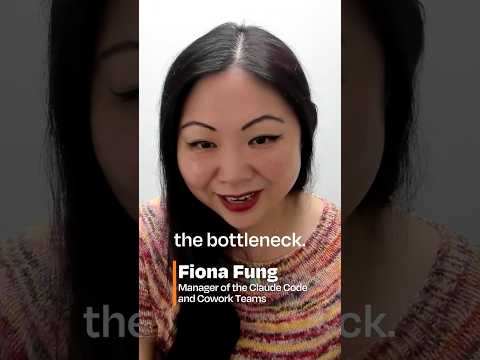
Anthropic identifies a fundamental shift in the software engineering lifecycle where AI assistance has made generation so efficient that coding is no longer the primary constraint. While the company claims an 8x increase in quarterly code output, the central tension remains the transition from manual writing to verification, with the firm emphasizing a "trust but verify" model that still relies on human expertise.
The Case
Anthropic reports that engineers now ship roughly eight times more code per quarter, with "most commits" currently Claude-assisted, though no independent methodology or baseline data confirms these internal figures.0:00
The company asserts that coding is "no longer the bottleneck," shifting the challenge to quality assurance where Claude acts as a reviewer rather than just a generator.
To manage this shift, Anthropic recommends that teams encode explicit descriptions of "what good looks like" directly into the code repository so Claude can automatically validate changes against those standards.
The speaker explicitly acknowledges that deep subject-matter expertise remains necessary for verification, particularly in complex domains where automated checks are insufficient.0:32
The claim that engineering is moving toward "100% of code written by AI" is presented as a rhetorical narrative rather than a documented metric.
The 1 Minute Signal Take
The video offers a useful glimpse into the internal operating model of a leading AI lab, but viewers should treat the productivity statistics as unverified internal claims rather than established industry benchmarks. The core takeaway on embedding validation frameworks in repositories is actionable, though the video adds little beyond what can be grasped in this summary. Skip it.
Pro Analysis
Strategic Significance:
This represents a fundamental transition in software development from manual synthesis to iterative validation, wh...