
Why it Matters
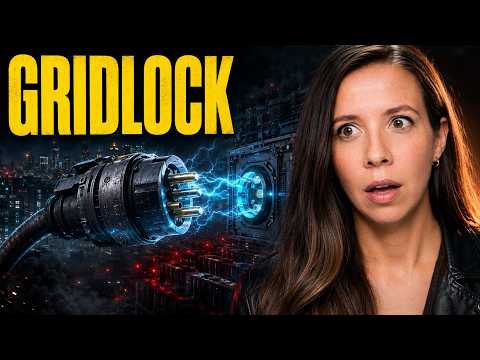
The video highlights a pivotal transition in the AI supply chain. We are moving from a 'build it at any cost' phase to an 'infrastructure-constrained' phase where geography, policy, and resource access are the new competitive advantages.
Strategic Implications
Businesses that assume unlimited, cheap, and reliable grid power for their AI models are increasingly vulnerable to operational disruption. The shift toward hybrid quantum-classical systems suggests that long-term AI efficiency will rely as much on architectural intelligence as it does on raw compute scale.
Evidence & Hype Audit
- Evidence: The PJM/DOE emergency power agreement is a documented policy shift that provides a concrete, high-confidence benchmark for grid constraints.
- Hype: The $130B figure for blocked projects lacks a clear source or methodology. Additionally, the narrator’s framing of quantum computing as 'commercially proven' is optimistic and likely overstates the current level of industrial integration for the average enterprise.
Counterarguments
Critics might argue that grid and zoning issues are cyclical rather than structural. Historically, data centers have been high-value economic assets that eventually find a home after local political theater settles. Furthermore, the timeline for quantum integration suggested (2032 targets) remains far too distant to solve the immediate infrastructure needs of most AI firms.
Who Should Care
- Infrastructure Planners: Need to account for emergency grid curtailment in their continuity plans.
- Technical Architects: Must begin modularizing their compute stacks to leverage hybrid quantum systems in the future.
- Policy Officers: Need to track legislative risks specifically related to water usage and energy consumption in their target markets.
What to Do Next
- Conduct an audit of your current data-center locations against potential state-level legislative moratoriums.
- Review current pipeline architectures to identify slots where quantum-optimized steps could be integrated as they reach maturity.
- Update emergency failover protocols to account for grid-enforced power curtailments.
- Monitor federal quantum funding cycles to anticipate regional hubs for next-generation compute.