
Why it matters
Amazon's formal adoption of MCP signals a move toward commoditizing voice-agent infrastructure. By standardizing on an open protocol, they are attempting to pull the developer ecosystem toward their platform, hoping to make Alexa Plus the default 'brain' for existing agentic servers.
Strategic Implications
This integration allows Amazon to outsource complex tool building to the open-source community. If successful, they shift from a closed ecosystem to a hub-and-spoke model where Alexa Plus acts as the user-facing layer for a vast array of specialized MCP servers.
Evidence & Hype Audit
This content is highly promotional. While the technical claim that MCP is the standard for Alexa Plus is presented as fact, the claim that existing servers work with 'minimal changes' remains a developer-marketing assertion. There is no public repository or documentation provided in the transcript to verify this ease of portability.
Counterarguments
Critics might argue that standardized integration via MCP could lead to 'least common denominator' performance, where specific, high-end server capabilities are flattened by the constraints of the Alexa Plus interface.
Who should care
- Agent Developers: Anyone building in the LLM/agent space should view this as a potential distribution channel.
- Product Managers: Those analyzing platform shifts will find this a case study in how large incumbents attempt to absorb new, decentralized standards.
What to do next
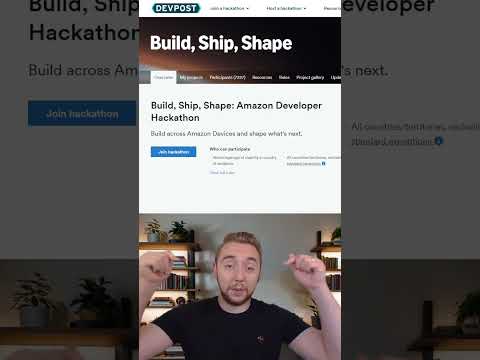
- Check the official registry to confirm the full list of tracks beyond the Alexa Plus, Fire TV, and Ring categories.
- Clone your current MCP project to a dedicated branch and test it against the Alexa Plus API documentation immediately.
- Use the provided Agentic tools simulation to identify potential latency issues in your server's response time.
- Review the competition rules for intellectual property clauses regarding submissions to ensure your work remains yours.