
Why It Matters
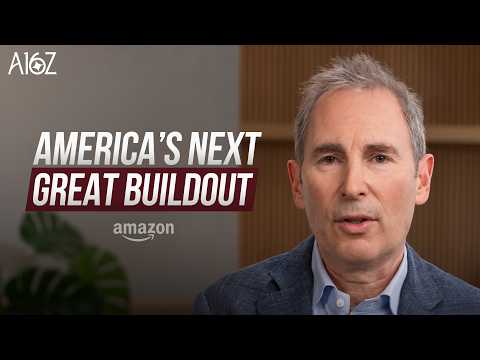
This update provides a rare, transparent view into the capital-intensive reality of the AI transition. It demonstrates that the 'AI revolution' is bottlenecked by physical infrastructure—power and data centers—rather than just software innovation. Jassy’s narrative underscores that we are currently in the 'heavy lifting' phase of the tech cycle, where winners are determined by infrastructure scale and chip-level economics.
Strategic Implications
Amazon is effectively hedging its risk. By splitting its capex between long-life data center assets (30-year life) and shorter-life server gear (3-year cycle), they can throttle their spending based on real-time demand signals. This creates an 'option value' strategy that competitors relying entirely on external cloud providers may lack.
Evidence & Hype Audit
- Strong Evidence: The internal metrics for fulfillment re-architecture and the Bedrock team efficiency are concrete, verifiable examples of operational success.
- Hype Caution: The claims about AI becoming 'pervasive' in 5-7 years are speculative forecasts. Additionally, Jassy’s defense of data-center environmental impact is clearly curated, using selective comparisons (golf courses/almonds) to deflect broader grid-capacity criticism.
Contrarian View
While Jassy argues that Amazon isn't squeezing customers, a market skeptic might note that the 'sold-out' capacity creates a de facto barrier to entry for smaller startups that cannot sign multi-year, multi-gigawatt commitments. The resulting 'platform lock-in' could stifle the next wave of AI-native innovation.
Role-Specific Takeaways
- CTOs/Engineering Leads: Audit your codebase now for 'agentic compatibility.' If your security patching cycle isn't measured in minutes, you are already behind.
- Finance Leaders: Recognize that AI-driven capital intensity is not a temporary spike; it is a structural change to the P&L requiring multi-year planning horizons.
Next Steps
- Re-evaluate current cloud spend for 'AI-inference efficiency' rather than just general compute.
- Begin testing 'agentic' code-update pipelines in non-critical environments.
- Map your organization’s talent and structure against the 'smaller, agent-heavy team' model.
- Review your infrastructure agreements to assess capacity-exhaustion risk for 2027 and 2028.