
- AI-controlled green waves rely on edge computing, maintaining resilience even when cloud connectivity fails.
- Modern traffic sensors often capture data that is repurposed by federal law enforcement, frequently without clear public consent or regulatory oversight.
- MAC address tracking from mobile devices, while useful for traffic throughput studies, silently exposes daily movement routines of entire populations.
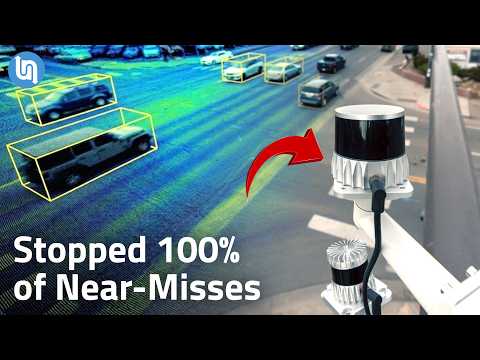
- Near-miss risk analysis, such as the usage of StreetVision, effectively exposes hidden infrastructure gaps that crash-only reports ignore.
How AI Is Saving Lives at Every Intersection
AI-driven traffic systems significantly improve urban commute times and safety by optimizing signal patterns, yet they introduce profound privacy challenges through potential mass surveillance.
Key Takeaways
- Intelligent traffic systems like Surtrac reduce travel time, idling, and emissions by coordinating signals in real-time based on actual road demand.
- Near-miss analysis using AI allows cities to identify and fix safety hazards before serious accidents occur, often through inexpensive infrastructure adjustments.
- Privacy risks persist in camera and mobile-telemetry systems due to unclear data ownership, potential repurposing, and the integration of searchable nationwide networks.
- LiDAR provides a privacy-preserving alternative to camera systems by capturing movement patterns instead of identifiable individual, facial, or plate data.
Talking Points
Pro Analysis
Strategic Significance:
- The transition to AI-controlled traffic is inevitable due to the massive efficiency gains in time and emissions. However, the infrastructure choice—camera vs. LiDAR—will determine whether these systems serve as a public good or an enduring mass surveillance apparatus.
Who Should Care:
- Urban planners and municipal leaders must balance performance requirements with citizen privacy rights. Privacy advocates and citizens should care because the lack of regulation creates a 'surveillance by default' trajectory for public infrastructure.
Contrarian Takeaway:
- Efficiency in public infrastructure can actually improve when you capture less specific data; by defaulting to privacy-preserving LiDAR, cities avoid the massive, ongoing data security risks and political backlash associated with managing sensitive, identity-linked image databases.
Time saved: