
Back to Feed
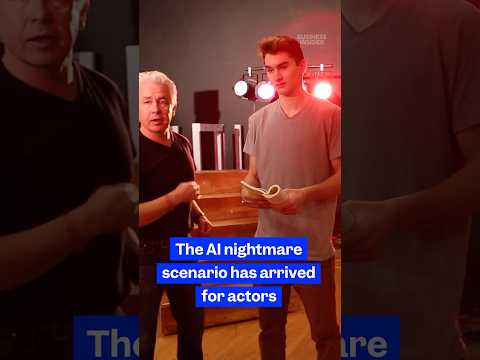
#Actors are booking roles, only to find out they've been replaced by #AI before #filming begins.
The Signal
Micro dramas—short, soap-opera-style vertical videos—have exploded into a billion-dollar U.S. industry, becoming a vital lifeline for Los Angeles actors. However, as studios seek to slash costs, performers report being replaced by AI shortly before filming. Advocates and actors warn this sector may be a 'canary in the coal mine' for wider Hollywood AI adoption, though the extent of this replacement trend remains unsettled.
The Case
- Actors Blake Manning, Hannah Lowry, and Luke Dodge report that AI has been 'creeping into' their work this year, including instances where they were booked for roles only to be replaced by synthetic versions shortly before production.
- The economic incentive driving this shift is drastic: producers claim AI-generated micro dramas cost only a few thousand dollars to make, compared to hundreds of thousands for traditional human-actor productions.
- The report from the narrator asserts without independent audit that the sector, which has surged in popularity over the last two years, reached a billion dollars in revenue last year.
- While the narrator characterizes these cost-cutting tactics as a potential omen for the broader entertainment industry, that wider impact is currently a speculative warning rather than a demonstrated pattern.
The 1 Minute Signal Take
This video serves as a concise, high-tension warning about digital labor displacement. Because it cites specific, albeit unverified, cost discrepancies and personal accounts of being cast then replaced, it highlights a concrete threat to entry-level acting work that is often glossed over in broad-brush discussions of AI. Watch it if you want the specific examples of how these production models are currently being executed; skip it if you are already looking for deeper economic analysis of the industry-wide implications.
Back to Feed