
Why It Matters
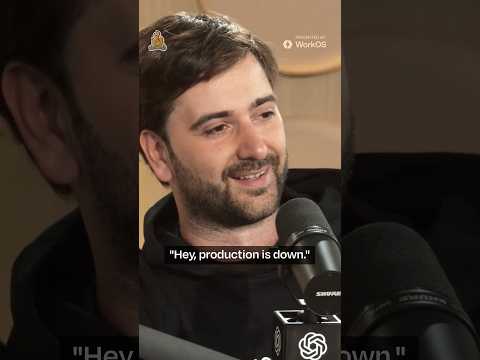
This incident illustrates the shift from 'monitoring' (observing systems) to 'intelligence' (understanding the impact of systems on business objectives). For developers, the value of an assistant is no longer about parsing logs, but about understanding intent and consequence.
Strategic Implications
Organizations should focus on 'context-aware' alerts. An alert that knows it is occurring five minutes before a demo is exponentially more valuable than an alert that simply states a CPU threshold has been crossed.
Evidence & Hype Audit
This is a single-instance anecdote. While the behavior is impressive, it is not a benchmark. The user’s refusal to let the AI 'fix' the issue serves as a healthy dose of reality, keeping the hype in check by grounding the system's role in support rather than replacement.
Counterarguments
One could argue that if the assistant were truly capable, the user would have allowed it to attempt a fix. The refusal might signal that the assistant's 'understanding' is still brittle and prone to dangerous hallucinations in production environments.
Role-Specific Takeaways
- Engineers: Focus on building 'context-linkage' layers in your observability stacks.
- Product Managers: When designing agentic features, prioritize accurate notification pathways over risky automated remediation.
What To Do Next
- Map your critical events (demos, launches, releases) to your monitoring systems.
- Evaluate your current alerts for 'context gaps'—do they tell you why an event matters right now?
- Document the specific failure modes where you would trust an agent to intervene versus just alerting.
- Run a 'pre-mortem' to see if your AI assistant would correctly link your next big deadline to current system health.