
Strategic Premise
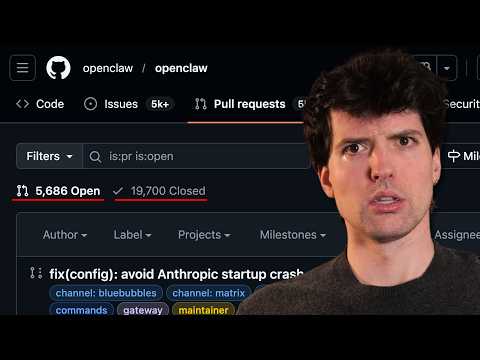
The premise that AI is lowering the 'cost' of contributing at the expense of 'quality' is fundamentally accurate. This is critically important because the entire modern digital economy rests on a foundation of open source software maintained by a shrinking group of volunteers.
Stakeholder Implications
- For Leaders: Organizations that rely on open source must recognize they are essentially 'renting' someone else's labor. The 'Open Source Pledge' is not just philanthropy; it is risk mitigation for their own supply chain.
- For AI Practitioners: If you generate code via AI, you have a heightened moral imperative to be a 'good steward.' This means verifying code, writing clear explanations, and following project etiquette rather than blasting maintainers with automated PRs.
Missing Elements
The content would benefit from exploring how AI could be weaponized by defensive tools—e.g., AI that acts as a 'gatekeeper' to audit PRs before they reach a human maintainer, effectively turning the threat against itself.
Next Steps
- Audit external dependencies and ensure financial support is directed to core maintainers.
- Implement strict, automated PR guidelines or 'vouching' systems for internal repositories.
- Educate junior teams on the etiquette of contributing to open source, emphasizing that quality and clarity matter more than volume.