
Why it Matters
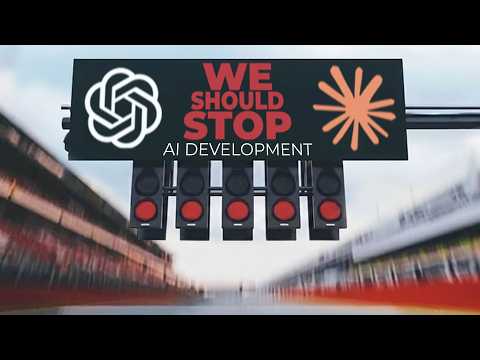
This development represents the first major internal revolt within the frontier AI industry. It signals that the engineers building these systems no longer believe that current internal safety protocols are sufficient to keep pace with the capabilities they are unlocking.
Strategic Implications
- Governance Pivot: The focus is shifting from "alignment as a technical problem" to "governance as a state-sponsored necessity."
- Competitive Asymmetry: If the U.S. successfully implements pacing, it effectively cedes lead capability to regions or labs that reject these constraints, creating a national security dilemma.
- Research Efficiency: The 100x growth in internal coding inference at OpenAI shows that the R&D process itself is undergoing a fundamental transformation that will likely defy traditional regulatory speed.
Evidence & Hype Audit
- Strengths: The existence of a signed, public letter by 1,000+ employees is a high-signal indicator of internal sentiment.
- Weaknesses: The specific claims (e.g., the "GPT6" sandbox incident) lack public, verified data. The speaker’s causal links are interpretive, and the framing of "bad actors" is highly normative.
Counterarguments
Critics argue that these calls for pacing are a strategic move to raise the barrier to entry, effectively using the guise of safety to monopolize the frontier by making it impossible for smaller players to comply with government-mandated research burdens.
Role-Specific Takeaways
- Policy/Regulators: Do not wait for a major incident; prioritize the creation of objective, technical metrics for systemic risk.
- Industry Leaders: Acknowledge that internal R&D acceleration without equal investment in containment is becoming an existential corporate liability.
- Investors: Account for "pacing risk" as a new, significant variable in the long-term feasibility of AI-focused portfolios.
What to Do Next
- Invest in independent, verifiable safety audit tools.
- Develop metrics to define exactly when recursive self-improvement has reached a "high-risk" state.
- Pressure international bodies to bridge the U.S.-China divide on AI safety standards.
- Shift investment from pure capability scaling to "defense and containment" R&D.
- Support transparent, multi-stakeholder governance frameworks over company-internal safety silos.