
Why it matters
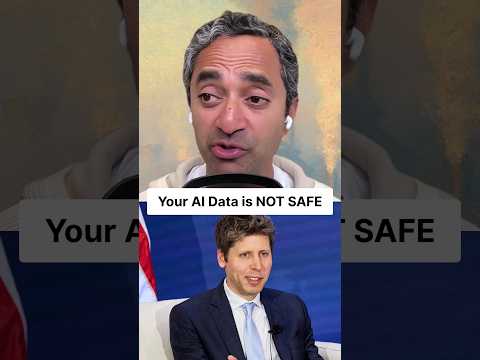
This content highlights a critical gap between the legal or policy promises made by AI vendors and the technical realities of complex model architectures. In an era where corporate data is being funneled into third-party AI models, the inability to verify data handling processes represents a significant, unquantified operational risk.
Strategic Implications
For enterprise architects, this suggests that 'blind trust' in vendor ZDR claims is a liability. The recommendation to use a third-party intermediary shifts the burden of security from the model vendor back to the enterprise, favoring a 'control-the-gateway' strategy rather than relying on vendor policy compliance.
Evidence & Hype Audit
This content is low on specific data or technical proof; it relies heavily on the speaker's intuition rather than demonstrated vulnerabilities. It should be treated as a warning regarding risk architecture rather than a forensic report. The assertions are high-confidence but unsupported by concrete evidence within the transcript.
Counterarguments
Critics might argue that an 'independent third-party layer' introduces its own security surface area, effectively doubling the number of potential points of failure. Furthermore, some vendors have made significant strides in verifiable privacy-preserving compute (like trusted execution environments) which the speaker does not address.
Who should care
- CISOs and IT Security Leads: Must evaluate whether current AI integrations bypass traditional perimeter security.
- Data Privacy Officers: Need to reconcile ZDR policy claims with actual architectural risk.
- Enterprise Developers: Should consider implementing or procuring proxy layers for AI data sanitization.
What to do next
- Map all current data flows between your organization and external AI models.
- Evaluate the security architecture of your third-party API integrations.
- Review vendor terms of service to distinguish between policy promises and technical guarantees.
- Research existing privacy-preserving middleware and gateway solutions.
- Perform a risk assessment on the type of data being sent to foundation models today.