
Why it Matters
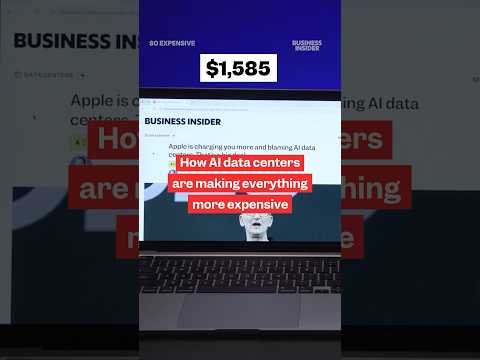
This issue sits at the intersection of consumer cost-of-living and the massive capital expenditure fueling the AI race. If corporations are using the AI boom to justify price hikes that aren't strictly supported by component shortages, it represents a significant transfer of wealth from consumers to manufacturers under the guise of technical necessity.
Strategic Implications
For investors and hardware firms, the narrative of "AI-driven supply shortage" is a double-edged sword. While it provides cover for inflation, it also invites regulatory scrutiny. If the technical distinction between enterprise and consumer chips becomes common knowledge, these firms could face a backlash over price gouging.
Evidence & Hype Audit
This content is highly skeptical of the corporate narrative. It acts as an excellent "Hype Audit" by highlighting the mismatch in chip types. However, it lacks raw market data on actual DRAM/NAND pricing parity, relying instead on anecdotal evidence.
Counterarguments
Critics might argue that even if chip types differ, the factory capacity is shared. A semiconductor fab producing high-end AI components may be prioritizing those orders, thereby forcing a reduction in the manufacturing throughput of the smaller, less profitable chips used in laptops, which effectively creates a shortage via indirect resource allocation.
Who Should Care
- Consumers: Track if electronics price hikes reverse when data-center construction cools.
- Policymakers: Assess whether local data-center permits should be contingent on balancing the needs of the consumer hardware sector.
- Investors: Look past the "AI-shortage" excuse to see if firms are actually facing real supply constraints or just testing price elasticity.
What to do Next
- Compare hardware launch prices across the last three years to identify specific points of divergence.
- Audit your own hardware procurement strategy if you are a business buyer.
- Monitor local news regarding data-center opposition in your region.
- Demand clearer explanations from manufacturers about the specific supply-chain constraints impacting their bottom lines.