
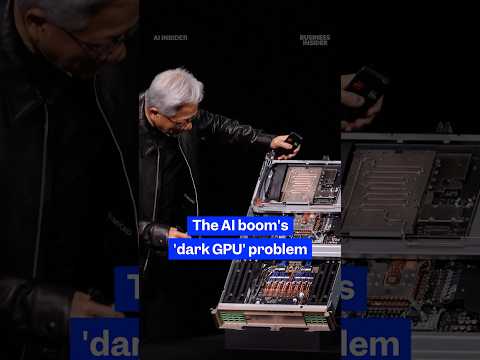
The Infrastructure Reality Gap
The narrative surrounding the AI boom has focused heavily on the "arms race" of chip acquisition, often ignoring the secondary constraints of the physical world. This content highlights a critical failure in strategic planning: the decoupling of procurement cycles (which are rapid) from infrastructure development (which is slow and regulated).
Strategic Implications
For cloud providers and major tech firms, the competitive advantage is no longer just about securing high-end NVIDIA chips. It is now about securing "power-ready" square footage. Companies that misjudge the time-to-energization for a data center will find themselves burning cash on depreciating assets that sit in warehouses instead of driving model training.
Evidence & Hype Audit
This report relies on a specific instance—Amazon—to characterize a larger industry struggle. While the figures cited ($5B/$3B) provide high-signal detail, the claim that this is an industry-wide "AI boom problem" remains an inference rather than a proven universal fact. The content is trustworthy as a report on Amazon's specific operational bottleneck but should be viewed as anecdotal evidence for the broader market.
Counterarguments
One could argue that this is merely a temporary "teething issue" of a rapidly scaling industry. In this view, storing chips is a rational hedge against future supply chain volatility. If you believe NVIDIA hardware supply will tighten or become more expensive, paying for the gear now—even if it sits idle for a few months—is a sound financial maneuver.
Role-Specific Takeaways
- Investors: Shift focus from "chips shipped" to "megawatts energized" when evaluating long-term AI potential.
- Data Center Operators: Prioritize power procurement and utility partnerships as the primary strategic gatekeepers.
- Procurement Managers: Synchronize hardware delivery schedules strictly with energy infrastructure milestones to prevent warehousing of capital.
What to do next
- Audit the lead times for local utility grid upgrades against projected GPU delivery schedules.
- Transition from reporting 'chip count' to 'power-available capacity' as the primary metric for internal readiness.
- Develop a storage-to-deployment roadmap that ties equipment arrival directly to electrical commissioning.
- Evaluate the feasibility of modular, on-site energy solutions to circumvent slow municipal grid upgrades.