The 3 AI Agency Mistakes Keeping You From $20K/Month Retainers

Video thumbnail: The 3 AI Agency Mistakes Keeping You From $20K/Month Retainers
Aug 25, 202628m 35s video lengthNate Herk | AI Automation

The Signal

Nate, an agency founder, argues that AI consultants should stop building what clients request and start diagnosing their actual business constraints. By identifying the primary bottleneck, selecting one measurable KPI, and pricing based on value rather than labor, consultants can escape the race to the bottom and ensure their work is objectively recognized.

The Case

The Diagnostic Framework

  • Nate says his early agency work failed when he built a "personal assistant" for a client whose real problem was manual proposal drafting, teaching him that the artifact delivered matters less than the constraint removed.0:23
  • He frames businesses as either supply-constrained or demand-constrained, using a "10x tomorrow" diagnostic question to force clients to identify where their process breaks first.11:51
  • The med spa example proves the reframe: while the owner requested a lead-generation agent, their real revenue leak was poor appointment follow-up and high no-show rates.9:37

Pricing and Proof

  • He rejects hourly billing as a core business model because it rewards inefficiency, advocating instead for pricing at roughly 10% of the projected annualized value created.17:32
  • When a client’s budget is lower than his estimate, Nate advises reducing scope to a V1 rather than discounting, ensuring the work remains profitable and the value proposition intact.24:03
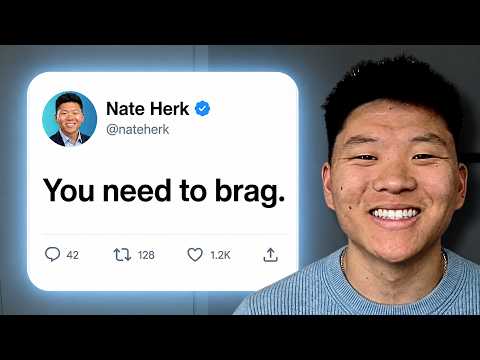
  • He emphasizes that consultants must make their impact visible, citing an anecdote where a manager attributed his automation work to a coworker named "Arthur" because the effect was not explicitly reported.5:31

The 1 Minute Signal Take

Most AI project disputes arise because the consultant solved a visible symptom rather than the operational root cause. If you cannot tie your automation to a single, agreed-upon KPI before you begin, you have not yet identified the problem worth solving.

Pro Analysis

Why It Matters

This framework moves AI consulting from a 'hype-driven' delivery model to an 'outcome-driven' business model. It addresses the fundamental problem of AI integration: tech is often applied to symptoms rather than root causes, leading to high churn in service-based businesses.

Strategic Implications

The shift from 'builder' to 'diagnostic consultant' creates a sustainable moat. Clients stop paying for hours (a commodity) and start paying for constraint removal (an asset). By tying pricing to a percentage of projected value, the consultant effectively shares the upside, aligning their incentives with the client's business growth.

Evidence & Hype Audit

This is high-signal, practitioner-based advice. While Nate relies on anecdotal evidence, his anecdotes are internally consistent and illustrate real-world friction. The '10% of value' pricing is a heuristic, not a mathematical law, which he acknowledges by discussing its flexibility. The content is honest about the fact that AI is often not the correct solution.

Counterarguments

Critics might argue that some clients are too unsophisticated to define a KPI or understand value-based pricing. Additionally, in large, bureaucratic organizations, changing a process (like proposal writing) involves change management that simple 'automation' cannot solve. The '10x' growth question may also be perceived as too aggressive for small businesses operating at break-even.

Takeaways by Role

  • Agency Owners: Stop selling 'AI Agents' and start selling 'Constraint Diagnostics.'
  • Freelancers: Move from hourly rates to flat fees indexed to business outcomes.
  • Internal AI Leads: Focus on visibility—ensure your automations are explicitly recognized by management to prevent misattribution.

What to Do Next

  • Conduct a '10x' audit on your business or your client's business to find the primary bottleneck.
  • Choose one KPI you can track for your next project.
  • Create a pricing document that shows the 'Cost vs. ROI' math for your client.
  • Practice using silence in your next three discovery calls.
  • Define a 'V1' scope for your next prospective client to avoid discounting.
Time saved:25m 28s

Share this

Tags

Written by: 1 Minute Signal Editorial Team