
Why It Matters
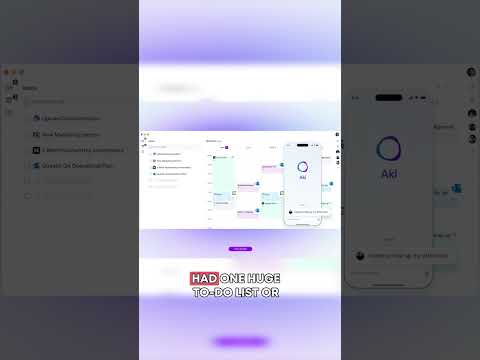
This tool addresses the 'productivity tax' generated by fragmented communication channels. By shifting from a reactive 'inbox check' model to a proactive 'time-block' model, users gain agency over their schedule rather than being driven by external notifications.
Strategic Implications
Aciflow signals a shift toward 'infrastructure-level' productivity tools. By supporting Model Context Protocol, it moves from a passive task aggregator to an active agent that can write to multiple calendars, potentially establishing a 'source of truth' for the user's time.
Evidence & Hype Audit
- Evidence: Functional claims (Gmail/Slack/Notion integration, color coding, dragging tasks, MCP support) are concrete and verifiable.
- Hype: Subjective claims about 'saving a schedule' or 'feeling less stressed' are purely anecdotal. The truncated setup-call offer suggests a marketing-led approach to onboarding.
Counterarguments
Critics might argue that centralizing all work signals into a single, highly-integrated hub creates a 'single point of failure' for focus. If the AI incorrectly parses context, or if the aggregation layer drifts from the original source apps, the user may experience 'sync-lag' or misaligned expectations.
Who Should Care
- Knowledge workers overwhelmed by cross-platform notifications.
- Software engineers requiring dedicated blocks of 'deep work' that are currently disrupted by Slack.
- AI power users looking to automate mundane scheduling tasks via agents.
What to Do Next
- Verify if your current toolset exports data to Aciflow cleanly.
- Map out your current work categories to define your future color-coding labels.
- Test the MCP integration with a secondary calendar first to audit automated event creation.
- Inquire about the full terms of the setup-call offer to discern if it includes workflow design or just technical integration.